Squirrels in the attic, raccoons in the crawlspace, opossums under the deck, and whatever is using your soffit as a front door. We get them out, and then we close the way back in, which is the part most companies skip.
Tell us what you are hearing and where you are hearing it. We can usually identify it over the phone, at no charge.
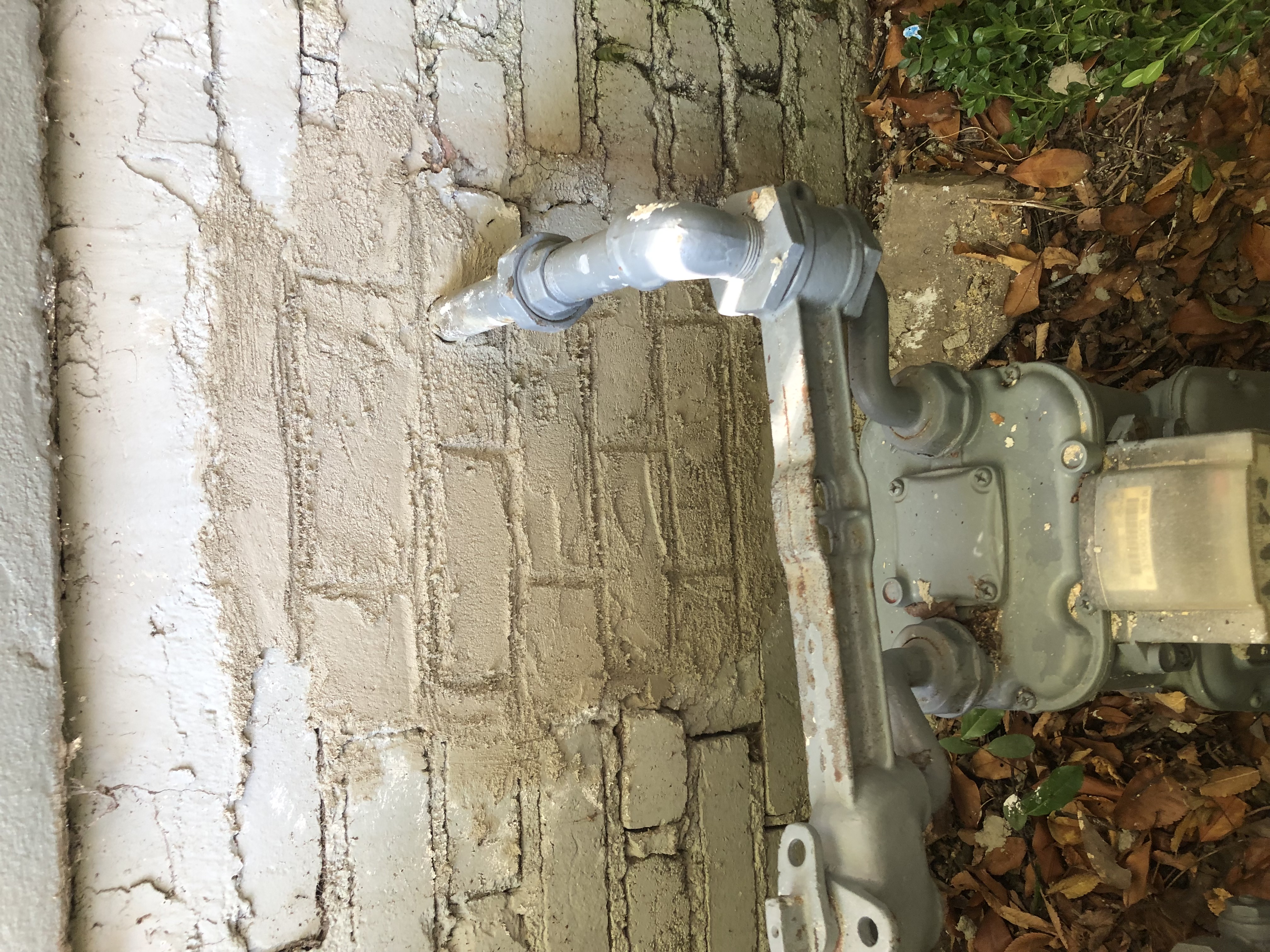
 Before
After
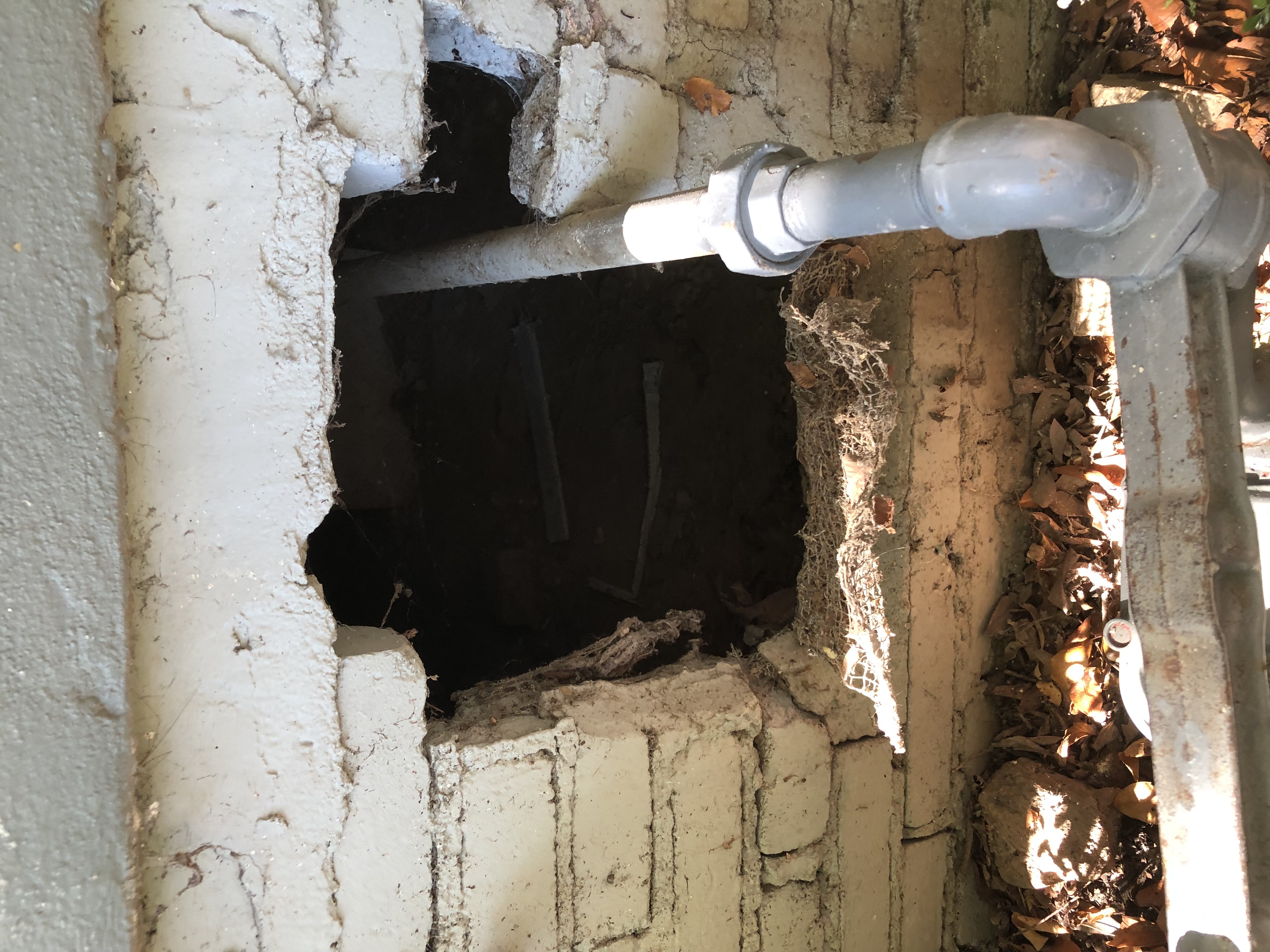
Before
After
Drag the handle to see the same foundation wall before and after the entry point was closed.
Here is what happens when a company traps and leaves. They take the animal out. The opening it used is still there. Four to six weeks later something else finds the same opening, because the opening is what attracted the animal in the first place, not the animal.
Then you call again, and you pay again.
Exclusion is the other half. It means locating every opening in your structure and sealing it so nothing gets back in. It is more work, it takes longer, and it costs more the first time. It is also the only version of this that ends.
“We were ripped off by a previous pest control company who would not honor the terms of our exclusion. Michael was very attentive to my previous experience and even able to go through and show me where the previous company had cut corners. He quickly started a process of trapping in our crawl space and got our problem under control.”
If something is actively in your living space, say so when you call and we will move you up.
Full exclusion work carries a one year guarantee, and you can renew it year to year for as long as you want the coverage. Most companies will not stand behind sealing work at all.
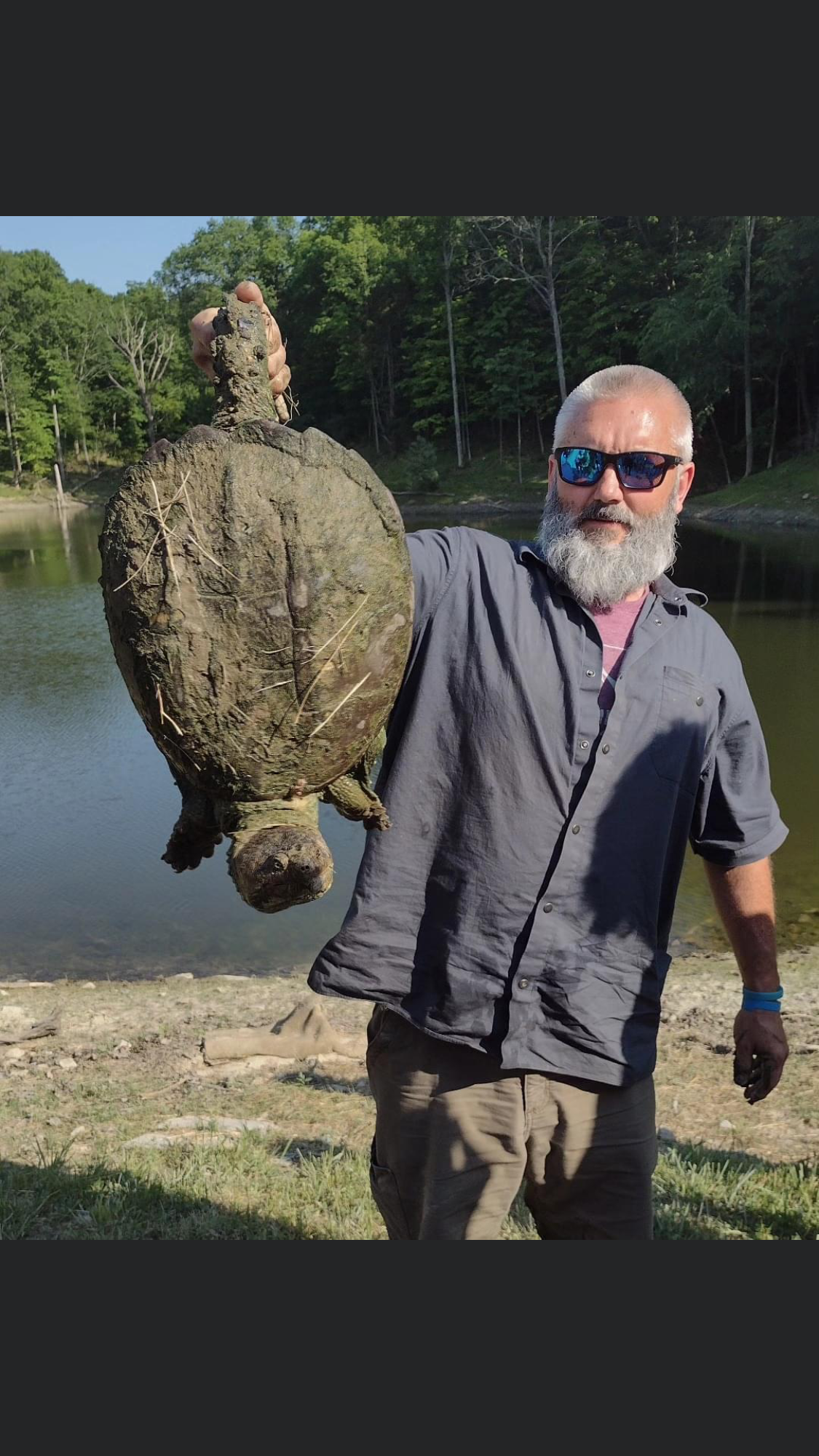
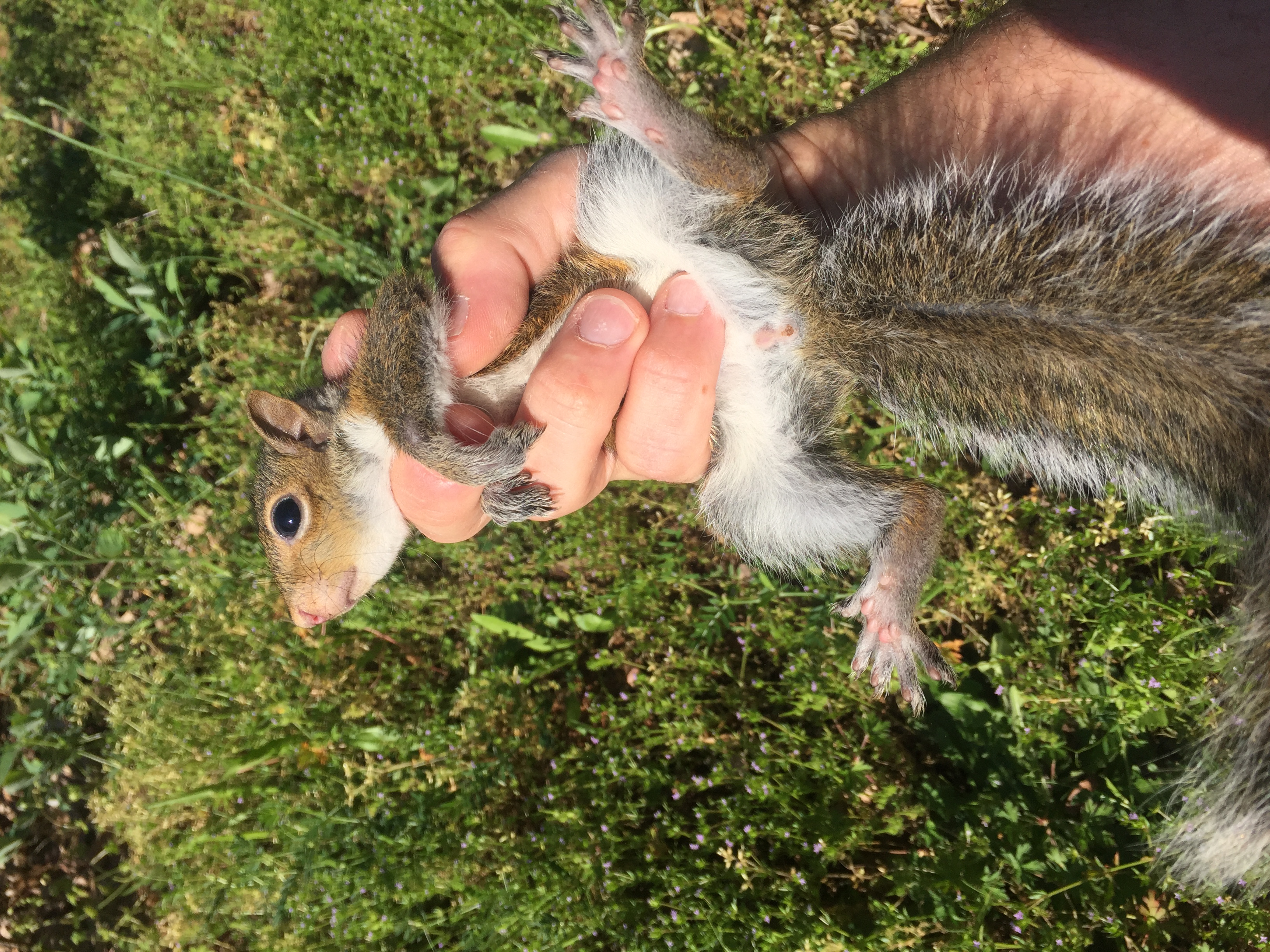
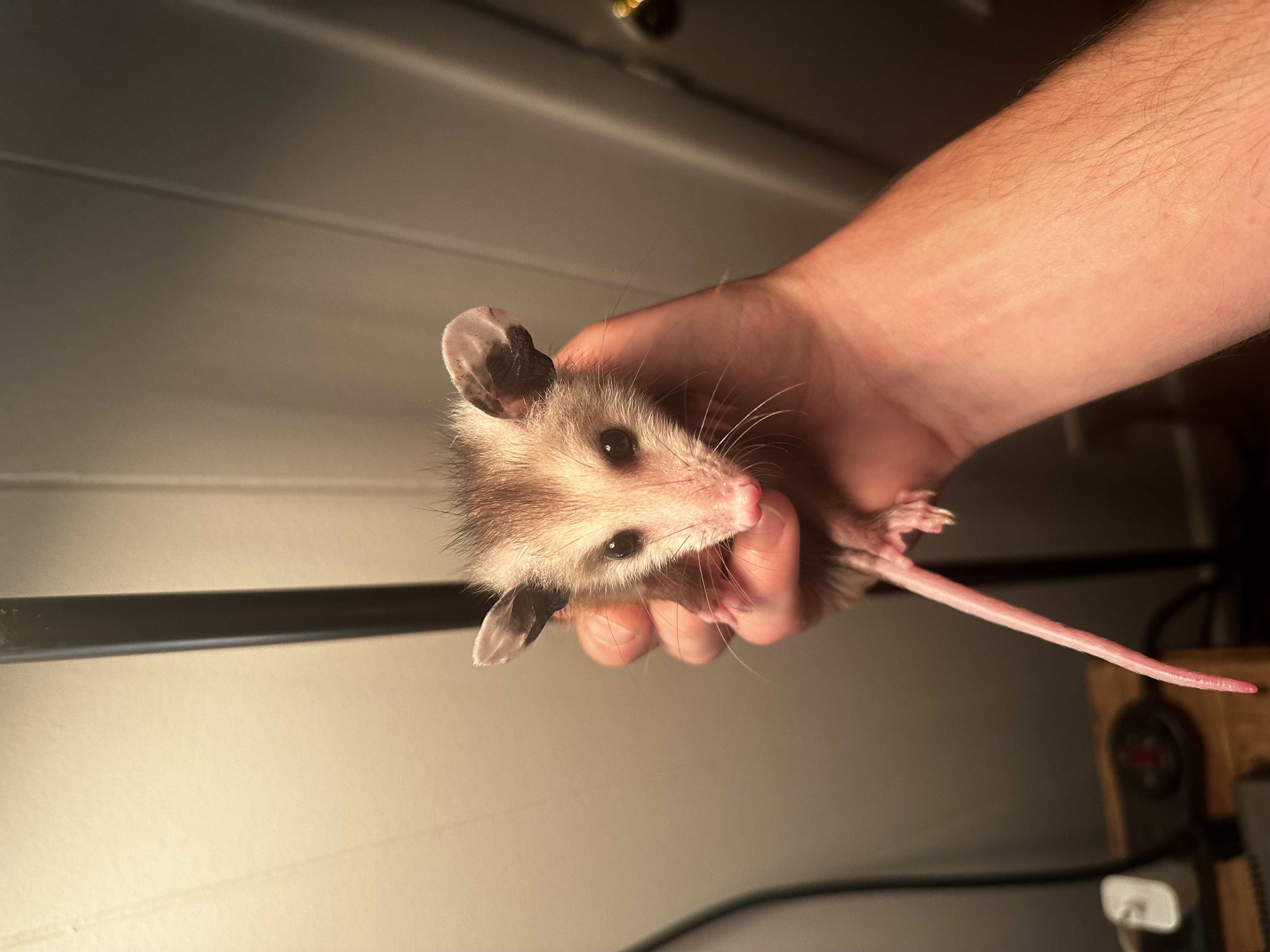
If it is on your property and should not be, call and ask. Residential, commercial, and rental property portfolios.
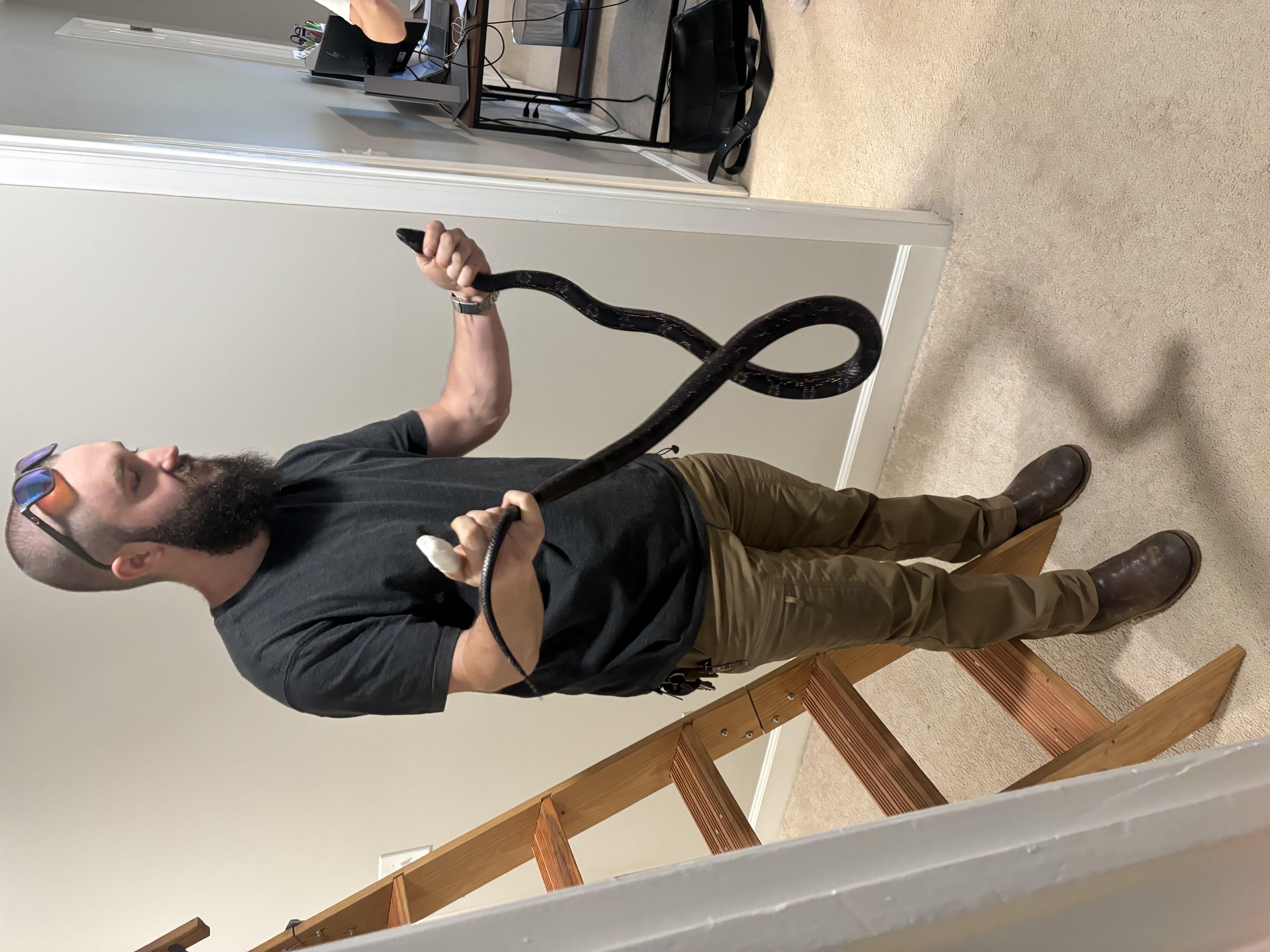
Something died and now you are living with it. In a wall, under the house, in the crawlspace, or in the yard. This does not wait. The odor gets worse, it draws flies, and in a wall cavity it can take weeks to resolve on its own.
Finding it is the job. Removal takes minutes once you know where it is. Odor travels through wall cavities, along framing, and through ductwork, so where you smell it strongest is frequently not where it is. Cutting drywall in the wrong spot is expensive and fixes nothing.
We handle animals dead inside walls and attics, deer and large animals in yards, livestock, locating the source when you can smell it but cannot find it, and sanitizing and treating the area afterward. Then we close whatever it used to get in.
“There are lots of deer in Peachtree City, and we recently had one get itself wedged between our fence and our neighbor’s. It died, and we needed help removing it. It was during the week of Thanksgiving. Mission prioritized this for me and sent a team after hours to remove it.”
Every entry point, active and potential. Roofline, soffit, gable vents, ridge, crawlspace, foundation, dryer vents, and the places nobody thinks to look.
Trapping or one way doors depending on the animal, the season, and what the law allows.
Every opening closed with material the animal cannot get through. Not foam, and not screen stapled over a hole.
Droppings, nesting material, and contaminated insulation.
We come back and confirm it held.
“Three squirrels caught and relocated in about 10 days. They even crawled through my attic to retrieve a deceased occupant when they did the access repairs. Communicative. Timely. Coordinated. Good repair work.”
In Georgia, the Department of Agriculture regulates pest and termite work through the Structural Pest Control Commission. The Department of Natural Resources regulates wildlife, and issues that license to a person rather than a company.
Plenty of pest companies are not licensed for the animal in your attic, and plenty of wildlife companies cannot treat the ants in your kitchen. Michael holds both, which is why you are not handed to a second company halfway through.
Michael Pope, license 22197
Structural Pest Control Commission. Company license 100472, Michael Pope Designated Certified Operator SP11898.
What it sounds like, where in the house, and what time of day. That is usually enough for us to tell you what you are dealing with.
Call 404-384-1597